
Current technical documents
Cessna 177 Cardinal documentation library
Confirm your aircraft and installation configuration, view individual current documents, or build an organized aircraft pack for download.
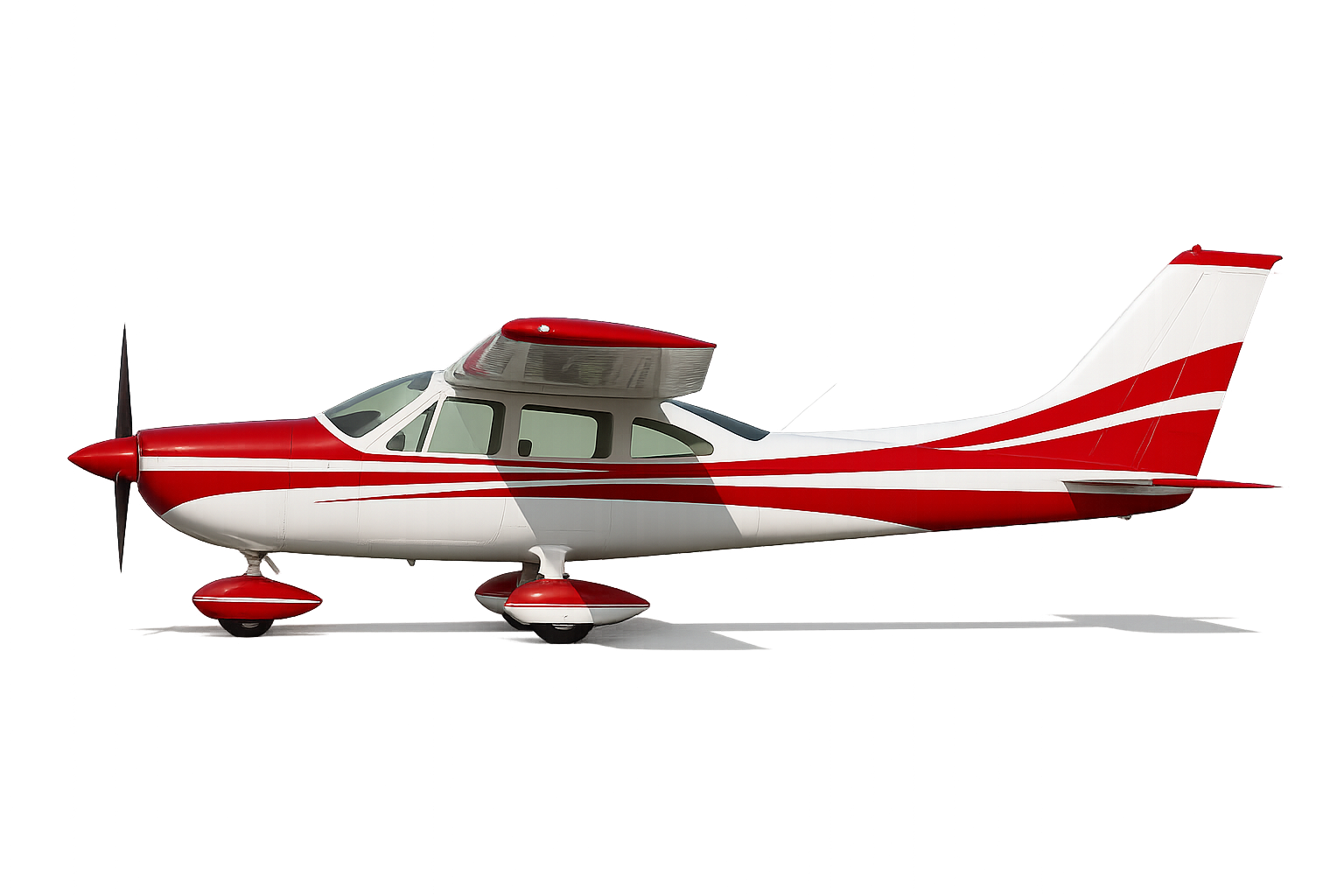
Certified Autopilot for the Cessna 177 Cardinal
The Trio Pro Pilot gives Cardinal owners a practical FAA-approved two-axis autopilot path for cross-country cruising, IFR training, and panel modernization — matching the comfort and efficiency the Cardinal was designed for, without forcing every owner into the highest-cost avionics path.
Did you buy the Cardinal for the cabin, the handling, or both — and does your panel match it yet?
The Cessna 177 Cardinal attracts a specific kind of owner: someone who wanted more cabin room and a smoother ride than a 172, without stepping all the way up to a 182's cost and complexity. The cantilever wing, stabilator, and roomy four-seat cabin make the Cardinal a genuinely different airplane to fly, and most owners who choose it did so deliberately — often after flying something more common first.
That deliberate choice tends to carry into the modernization decision too. Cardinal owners are frequently upgrading from a 172 or 150 and want the panel to reflect the step up: more comfortable cross-country capability, real IFR utility, and less physical workload on the longer legs the airplane is genuinely good at flying.
For 177RG owners specifically, there's an added layer: retractable gear means more to manage during arrival and approach phases. An autopilot that handles the cruise portion of the flight means more attention available for gear, speed, and approach planning when it counts.
Those are mission questions as much as equipment questions. A pilot who moved up to a Cardinal for the ride and the cabin is usually trying to get more real transportation value out of every trip. A 177RG owner is often trying to free up attention for the phases of flight where retractable gear adds real workload.
These questions matter because the Cardinal was built to be a comfortable, capable cross-country airplane. An autopilot that fits the panel and the mission simply lets the airframe do what it was designed to do, with less fatigue on the pilot.
Because the Cardinal was produced in smaller numbers than the 172 or 182, GFC 500 availability is narrower here too: Garmin's system is approved for the 177B, 177RG, and F177RG, but not the original 177 or 177A. That makes the autopilot decision more consequential for early Cardinal owners — there may not be a Garmin path at all without a more involved conversion.
For many Cardinal owners, the autopilot is what finally makes the airplane feel like the cross-country machine it was designed to be. The cabin already provides the comfort. The autopilot removes the physical workload of holding course and altitude so the pilot can manage navigation, weather, and passengers instead.
The goal is not to push a product into every Cardinal. The goal is to help you determine whether an autopilot is the upgrade that best solves the problem you are actually trying to solve.
What the Installation Actually Involves
These are the facts that matter before a conversation with an installer. No invented numbers — just what is documented and verified.
Equipment pricing and full ordering information at the product page. Questions about your specific configuration: call Jeff at 540-309-6427.
What Cessna 177 Cardinal Owners Ask Before Buying
Two ways to move forward
Some Cardinal owners are ready to order. Others are still deciding — especially early 177/177A owners weighing their options without a GFC 500 path. Both paths are straightforward.
Talk through your aircraft first
Jeff can review your model, current panel, mission, and budget before making a recommendation. The consultation is free and there is no obligation.
Call Jeff — 540-309-6427View pricing and order the kit
Complete product information, pricing, and ordering for the Cessna 177 Cardinal installation kit, including everything that ships with the system.
View Product & Pricing →