
The Autopilot Decision
No One Explains Honestly.
There are three certified autopilot options for your legacy Cessna, Grumman, or Piper. They are not equal. Here is what the spec sheets leave out — and what actually matters for your aircraft and your mission.
Four Things Garmin Won't Put in Their Brochure
These aren't opinions. They are factual differences in how these systems are certified, installed, and operated.
No EFIS Required — Legacy Steam Gauges Are Fine
The Trio Pro Pilot has built-in pitch and roll sensors. It works with your existing panel, including legacy steam gauges. The Garmin GFC500 requires a G5 or GI 275 electronic flight instrument — $5,995–$7,995 installed (G5 Attitude or G5 HSI system with GAD29B and GMU11), plus the GAD29 adapter and lightning protection module. That mandatory cost exists before the autopilot conversation even starts.
Any GPS — Not Just Garmin's
Trio works with Garmin, Avidyne, Dynon, Aspen, iFly, and more. For VFR horizontal modes, even a portable GPS like a Garmin 396 qualifies. For full IFR approach capability and vertical navigation via ARINC-429, a certified panel-mount GPS is required — but any compatible certified navigator works, not just Garmin's. The GFC500 requires a certified Garmin GPS for approach coupling. No third-party GPS sources accepted. View full GPS compatibility list
Any A&P with IA Can Install
No dealer certification required. Your local shop can install it. The GFC500 requires a Garmin-authorized installer — and the backlogs are not 4–6 months anymore. Lafayette Avionics, one of the most-cited Garmin GA installers in the country, is currently booked until June 2027. Larger Garmin dealers have stopped taking small GA aircraft altogether, preferring business aviation margins. There are exceptions — but finding one with availability requires its own research project.
Less Than Half the Total Cost
Trio installed: $11,000–14,000 typical — 40–45 shop hours at prevailing A&P/IA rates. GFC500 installed: $20,000–32,000+ typical — once you add the required EFIS ($5,995–$7,995 installed), the required Garmin GPS (up to $5,500+ if not already installed), and dealer installation. Garmin ships servos and a controller. Everything else gets fabricated or sourced by the shop — and billed to you.
Trio Pro Pilot vs. Garmin GFC500
A direct comparison on the factors that actually affect your aircraft, your installer, and your wallet.
| Trio Pro Pilot | Garmin GFC500 | |
|---|---|---|
| FAA Certification | STC SA04230CH — Cessna (9 models), Grumman AA-5 family, Piper PA-24/28/32. Additional aircraft STC additions in progress. | STC coverage across Cessna, Grumman AA-5, Piper, Beechcraft, Mooney late 2026 and others TBA |
| EFIS Requirement | None required — built-in pitch and roll sensors. Legacy steam gauges fully supported. Add EFIS later if desired. | Mandatory — G5 Attitude: $5,995 installed. G5 HSI system with GAD29B and GMU11: $7,995 installed. GI 275 Attitude: $6,995 installed. GI 275 HSI: $8,495 installed. G3X Touch can substitute but costs $8,000–17,000+ for displays alone — the most expensive path of all. |
| GPS Requirement | Any GPS source — Garmin, Avidyne, Dynon, Aspen, iFly, portable units for VFR horizontal modes | Garmin GPS only — GTN 650/750Xi, GNS 430/530, GNX 375, GPS 175 with G3X. No third-party GPS sources. |
| Cheapest GPS for Approaches | Already own a Garmin GNS or any IFR GPS navigator? You're done. | Garmin GPS 175 — approx. $5,500 retail + installation if not already installed |
| Installation | Any A&P with IA — no dealer certification required. Schedule with your preferred shop. | Garmin-certified installer only. Lafayette Avionics — one of the most-cited Garmin GA installers in the country — is currently booked until June 2027. Larger Garmin dealers often prioritize business aviation over small GA. |
| Installation Kit | Factory-built wiring harness, all mounting hardware, full documentation included. Installer installs — does not fabricate. | Controller and servos only. Wiring harnesses, mounting brackets, and hardware must be fabricated or purchased separately by the installing shop. |
| Servo Technology | Linear motor with slip clutch — servo gear train fully disconnects when disengaged. Controls feel completely normal with no system drag. | Brushless DC motor with gear train — no mechanical slip clutch. Different architecture, no drag complaint equivalent. |
| Avionics Ecosystem | Open — Aspen, Dynon, Garmin, Avidyne, uAvionix, iFly, and more | Closed — Garmin ecosystem only for approach coupling and full integration |
| Safety Features | Auto Level, Upset Recovery Button, 180° Turn, PCS (Pilot Control Steering), Track Offset, Underspeed/Overspeed Protection | ESP (Electronic Stability and Protection), Level Mode, Pitch/Roll Hold, Underspeed/Overspeed Protection |
| Support | Direct to Jeff (pre-purchase + systems purchased through TrioAutopilots.com) + The STC Group manufacturer support + large, enthusiastic owner/pilot user community | Through Garmin-authorized dealers or Garmin phone support |
| Autopilot Unit Price | $6,540–7,045 | $6,995–8,995 |
| Typical Total Installed | $11,000–14,000 | $20,000–32,000+ |
GFC500 installed pricing sourced from Lafayette Avionics published pricing (May 2026). Lafayette is a Garmin-authorized dealer and FAA Part 145 Repair Station. Prices subject to change; confirm current pricing with your installer.
What You're Actually Spending
The autopilot unit prices are within $1,000 of each other. The difference is everything Garmin requires you to add before it works.
| Trio Pro Pilot | Garmin GFC500 | |
|---|---|---|
| Autopilot System | $6,540–7,245 | $6,995–8,995 |
| Required EFIS | $0 — not required. Legacy steam gauges work. | $5,995–$7,995 installed (G5 Attitude or G5 HSI system mandatory if not already installed). GI 275 options: $6,995–$8,495 installed. |
| Required GPS Navigator | $0 if you own any compatible certified GPS | $5,500+ if Garmin GPS not installed (GPS 175 minimum for approaches) |
| Installation Labor | $5,000–6,000 (40–45 hrs at prevailing A&P/IA rates — covers all airframes) | Included in Lafayette base price of $18,995 (autopilot only, no EFIS). Add $1,500 for Grumman, Cessna, and most Piper airframes above PA28-181 standard. |
| Typical Total | $11,000–14,000 | $20,000–32,000+ |
Note: Garmin GPS and EFIS costs assume those instruments are not already installed. Many aircraft have an existing GNS 430/530 or G5 — in those cases those line items are $0. Confirm your panel configuration with Jeff before comparing totals. Pricing sourced from Lafayette Avionics (May 2026).
What About the Bendix King Aerocruze 100?
You'll find it in the same price category. Here's what Jeff actually thinks — and why it matters.
Jeff gets asked about the Aerocruze 100. Here's the honest answer.
The Bendix King Aerocruze 100 is a legitimate certified autopilot in a similar price range — approximately $7,300 with STC. It is sold through Aircraft Spruce (special order), Pacific Coast Avionics, Gulf Coast Avionics, and similar distributors. Three form-factor options are available: panel mount, 2" round, and 3" round instrument hole mount. You won't be getting a pre-sales consultation from any of them.
The difference that matters most to pilots who actually fly with an autopilot is the servo technology. The Aerocruze 100 uses stepper motors. Stepper motors are always engaged — they create constant resistance on the control cables even when the servo is disengaged. The resistance is present regardless of autopilot state. Pilots consistently describe the controls as heavier and less responsive during hand-flying. It is a known limitation and a frequent complaint in Aerocruze owner communities.
The Trio Pro Pilot uses a linear servo motor with a slip clutch. When the servo disengages, a solenoid releases the gear train completely. The pilot feels zero system drag — controls respond identically to a non-autopilot aircraft. The slip clutch also provides immediate pilot override in turbulence or unusual attitudes without any damage to the system.
On support: Bendix King acquired TruTrak in 2019. The transition was, by all industry accounts, poor. Incomplete orders, unresponsive support, and Aviall serving as a middleman between BK and the customer. The majority of avionics shops that were once Bendix King dealers have dropped the line. There is no enthusiasm for the brand among installers. If something goes wrong after installation, you will feel the difference between dealing with Jeff and dealing with Bendix King.
Servo Technology Comparison
Linear Motor with Slip Clutch
Solenoid fully disconnects the gear train when the servo disengages. Zero system drag — controls feel identical to a non-autopilot aircraft. Slip clutch provides immediate pilot override under load without damage to the system.
Stepper Motor — Always Engaged
Stepper motors create constant resistance on control cables even when the servo is disengaged. Controls feel heavier at all times — not just when the autopilot is active. Known and documented pilot complaint.
Brushless DC Motor + Gear Train
Eliminates mechanical slip clutch via gear train design. Garmin markets this as a reliability improvement. Different architecture from both Trio and Aerocruze — no documented drag complaint equivalent.
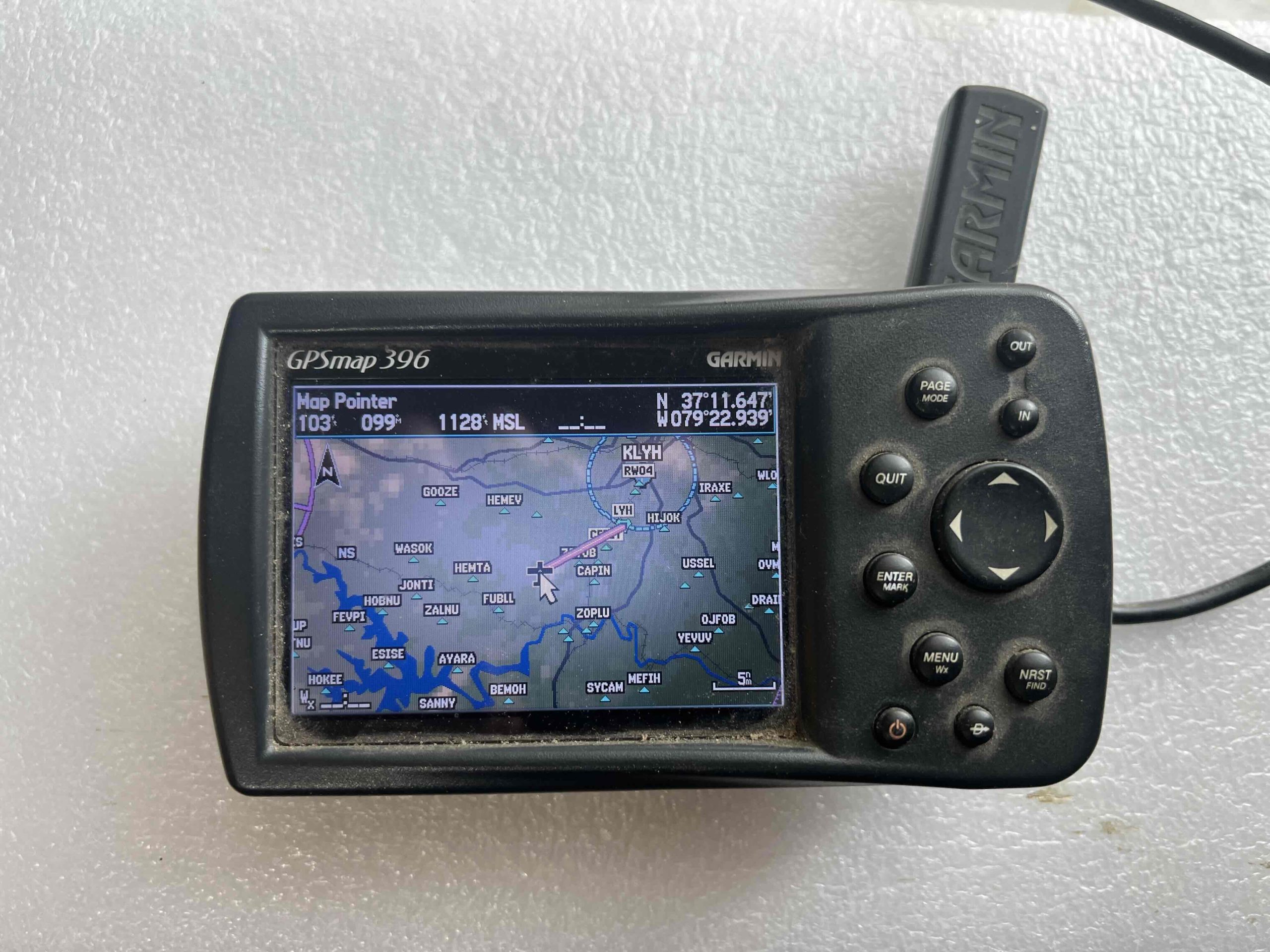
That Garmin 396 in Your Flight Bag Can Drive This Autopilot.
The Trio Pro Pilot connects to any GPS source with a compatible output for horizontal navigation modes. For VFR pilots who want workload reduction on cross-country legs, a portable GPS they already own can do the job.
For full IFR approach capability — including vertical navigation via ARINC-429 — a certified panel-mounted GPS is required. But any compatible certified navigator qualifies: Garmin GTN or GNS series, Avidyne IFD series, Dynon SkyView HDX (via ARINC-429 converter), and more. The ecosystem is open.
Garmin's GFC500 requires a certified Garmin GPS for approach coupling. If you own a Garmin GNS 430 or 530, you're covered at no additional GPS cost. If you own anything else — Avidyne, Dynon, or a portable — you're buying a Garmin GPS before you're buying an autopilot.
GPS Flexibility — Direct Comparison
Any compatible GPS for horizontal modes. Garmin, Avidyne, Dynon, Aspen, iFly, portable units for VFR. Open ecosystem.
Certified Garmin GPS required for approaches. GTN 650/750Xi, GNS 430/530, GNX 375, GPS355, GPS 175 only. No third-party sources.
TRIO EFIS & GPS Compatibility
Works with the panel you have. Adapts to the panel you're building.
Compatible EFIS Systems
- ✓Aspen Evolution, E5, ProMax — Approved
- ✓Garmin G5 — With GAD29 B/D adapter
- ✓Dynon SkyView — Software unlock available
- ✓uAvionix AV-30C — Approved with software unlock
- ✓Garmin GI 275 — Approval expected 2026
- ✓No EFIS — Not required. Legacy steam gauges fully supported. Built-in pitch and roll sensors standard.
Compatible GPS Units
- ✓Garmin — GTN, GNS, AERA, GPSMAP, G3X, and legacy series
- ✓Avidyne — IFD Series
- ✓Dynon — SkyView HDX via ARINC-429 converter
- ✓Aspen Avionics — EFD1000 Series
- ✓iFly GPS — Compatible portable solutions
- ✓Others — AVMAP, BendixKing, Lowrance, AnywhereMap, and more
| Trio Pro Pilot Autopilot — External Controller Functionality | ||||||
|---|---|---|---|---|---|---|
| With EFIS / Air Data ARINC 429 Bus Input | ||||||
| EFIS System | Selected Heading | Selected Course | Corrected Baro Altitude | Selected Altitude | Horizontal CMD to Autopilot “GPSS” | Vertical Deviation “GPSV” |
| Aspen EFD Pro Max (Software up to 2.10.2) |
Yes | Yes | Yes | No | No | No |
| Aspen EFD ProMax (Software 2.11 or later) |
Yes | Yes | Yes | Yes | Yes | No |
| Aspen EFD E5 (Software up to 2.11) |
Yes | Yes | Yes | No | No | No |
| Aspen EFD E5 (Software 2.12 or later) |
Yes | Yes | Yes | Yes | Yes | No |
| Garmin G5 (GAD 29B, Software 8.26 or later) |
Yes | OBS Only | Yes | Yes | No | No |
| Dynon SkyView HDX (Software 16.4.6 or later) |
Yes | OBS Only | Yes | Yes | Yes | Yes |
| uAvionix AV-30 (AV-HSI, Software 3.0.1 or later) |
Yes | Yes | Yes | Yes | Yes | Yes |
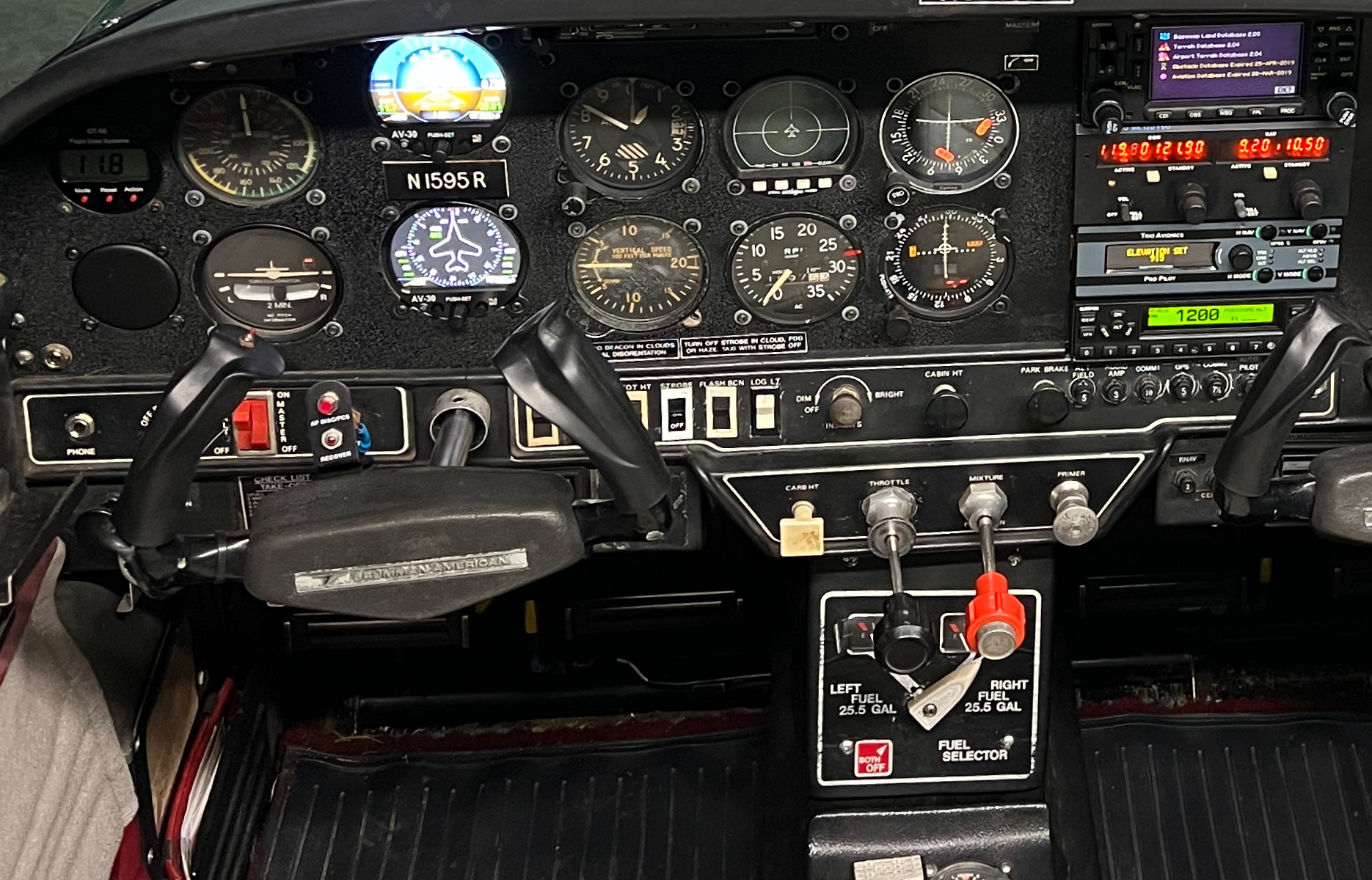
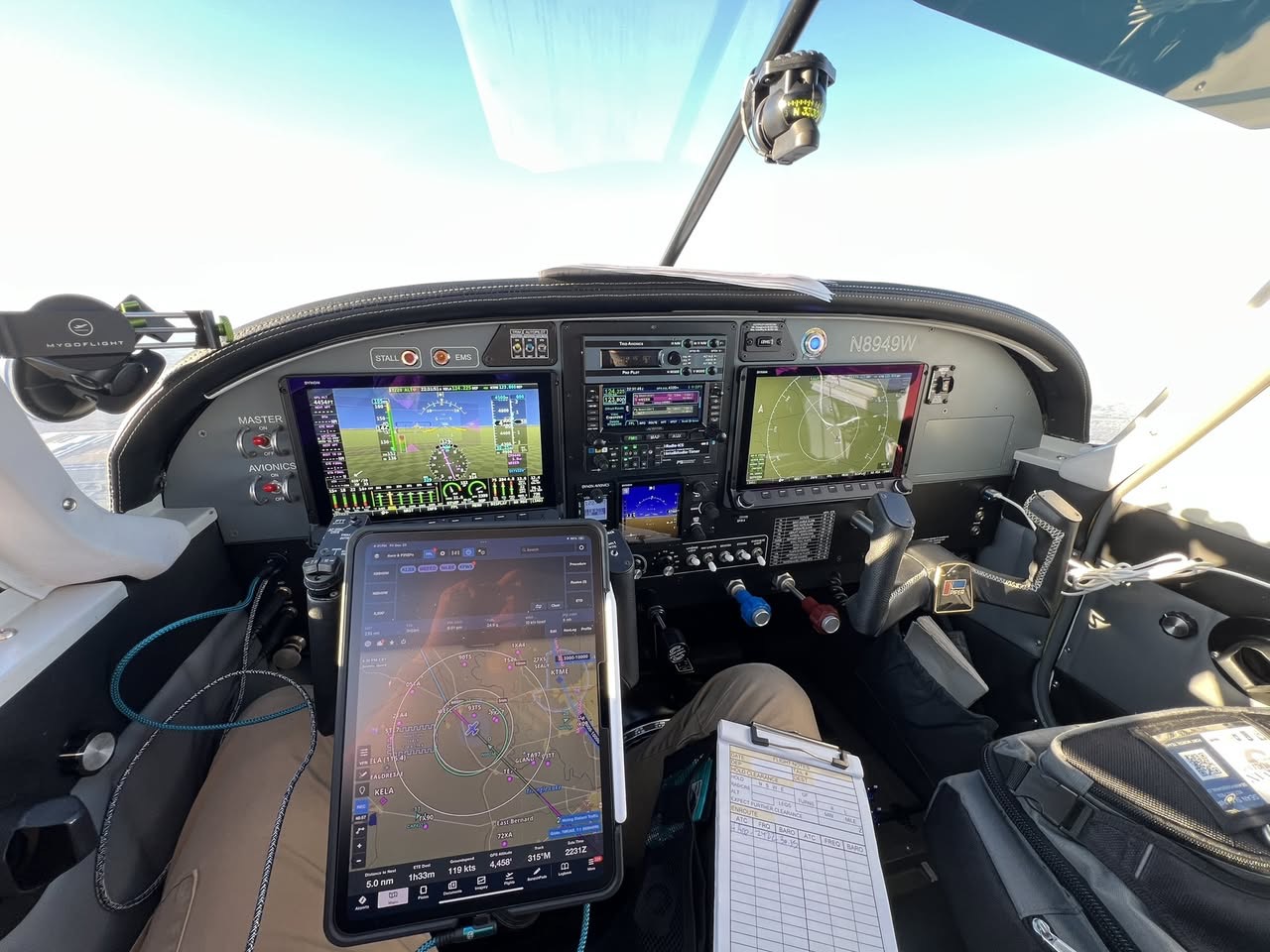
Some Trio Installs
From basic VFR panels to fully loaded IFR stacks — Trio adapts to your aircraft, your avionics, and your mission.

Find Your Aircraft
Trio is FAA-certified for Cessna, Grumman, and Piper. Select your platform to see supported models, pricing, and order details.
Cessna Autopilot Systems
FAA-approved Trio autopilots for the 150, 152, 170B, 172, 175, 177, 180, 182, 185, and 190/195 series.
View Cessna SystemsGrumman Autopilot Systems
FAA-approved Trio autopilots for the AA-5 Traveler, AA-5A Cheetah, and AA-5B / AG-5B Tiger.
View Grumman SystemsPiper Autopilot Systems
FAA-approved Trio autopilots for the PA-24 Comanche, PA-28 Cherokee / Archer / Warrior, and PA-32 Cherokee Six / Lance.
View Piper SystemsCompatible With the Leading Avionics Brands
Open ecosystem. Your panel, your choice.






The Right System for Your Aircraft Starts With a Conversation.
Jeff reviews your aircraft, your panel, and your mission before making any recommendation. There is no pressure and no pitch — just a straight answer from a pilot who flies IFR with this system installed.
Fly the approach.