
Current technical documents
Cessna 180 documentation library
Confirm your aircraft and installation configuration, view individual current documents, or build an organized aircraft pack for download.
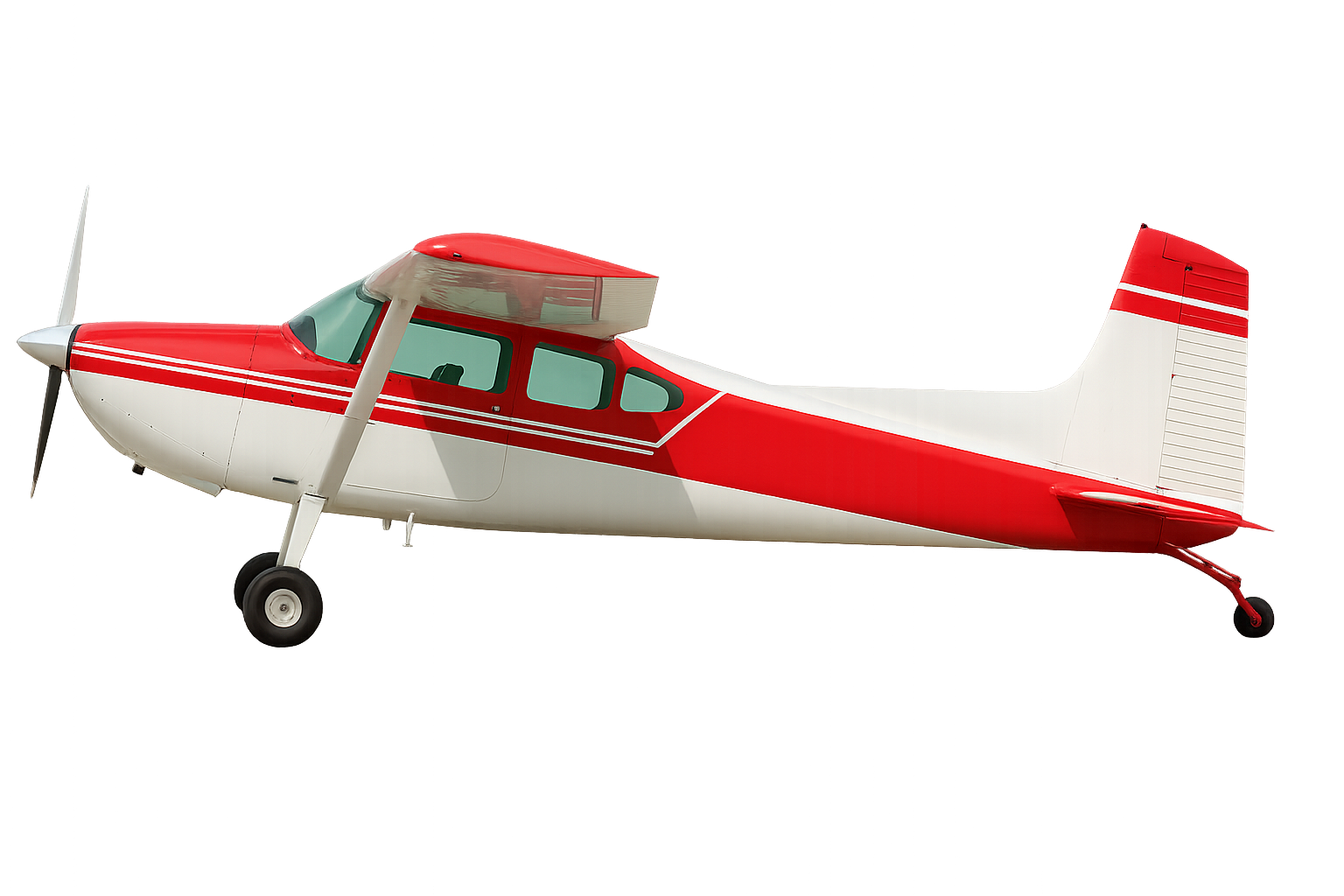
Certified Autopilot for the Cessna 180
The Trio Pro Pilot gives Cessna 180 owners a practical FAA-approved two-axis autopilot path for long backcountry repositioning legs, IFR cross-country capability, and thoughtful panel modernization — without compromising the airplane's classic character or its useful load.
Is your Cessna 180 still the airplane you bought it to be?
The Cessna 180 draws a particular kind of owner: someone who wanted a taildragger that could get into places a 172 or 182 never would, or someone who took on a classic restoration because the airframe itself mattered. Either way, the 180 tends to be flown with intention — backcountry strips, hunting and fishing access, fly-in destinations, or simply the satisfaction of hand-flying a well-restored piece of aviation history.
That intention is exactly why the autopilot conversation is different for a 180 than it is for a more common cross-country airplane. Nobody buys a 180 to have the airplane fly itself the whole time. But the legs that get the airplane to the strip, the fly-in, or the hunting camp are often long, straight, and fatiguing — and arriving sharp for the part of the flight that actually demands stick-and-rudder skill matters more in a 180 than almost any other Cessna.
Most 180 owners do not start with "which autopilot." They start with "how do I make the transit legs less tiring without changing what makes this airplane worth owning."
Those are ownership and mission questions, not just avionics questions. A restoration owner is often weighing how much modern equipment belongs in a classic panel. A backcountry pilot is weighing fatigue on the transit leg against the workload the destination itself demands. Both are trying to protect what the airplane is for while making it more capable of what they actually use it for.
These questions matter because the value of an autopilot in a 180 isn't about flying the whole trip hands-off. It's about arriving at the part of the flight that actually requires your full attention with more of it left to give.
A number of 180s still fly with an original or long-discontinued autopilot that no longer functions or can't be reliably serviced. In that case, the conversation isn't really "should I add automation" — it's "what's the right modern replacement for what's already sitting in the panel, not doing its job."
For a 180, that answer is almost always about the transit leg, not the destination. The autopilot doesn't touch the skill the airplane demands on a short backcountry strip — it protects your margin on the two or three hours of straight-and-level flying that gets you there.
The goal is not to push a product into every 180. The goal is to help you determine whether an autopilot is the upgrade that best solves the problem you are actually trying to solve.
What the Installation Actually Involves
These are the facts that matter before a conversation with an installer. No invented numbers — just what is documented and verified.
Equipment pricing and full ordering information at the product page. Questions about your specific configuration: call Jeff at 540-309-6427.
What Cessna 180 Owners Ask Before Buying
Two ways to move forward
Some Cessna 180 owners are ready to order. Others are still deciding — especially if a restoration, a legacy autopilot replacement, or a broader panel plan is part of the picture. Both paths are straightforward.
Talk through your aircraft first
Jeff can review your model, panel, restoration status, and mission before making a recommendation. The consultation is free and there is no obligation.
Call Jeff — 540-309-6427View pricing and order the kit
Complete product information, pricing, and ordering for the Cessna 180 installation kit, including everything that ships with the system.
View Product & Pricing →