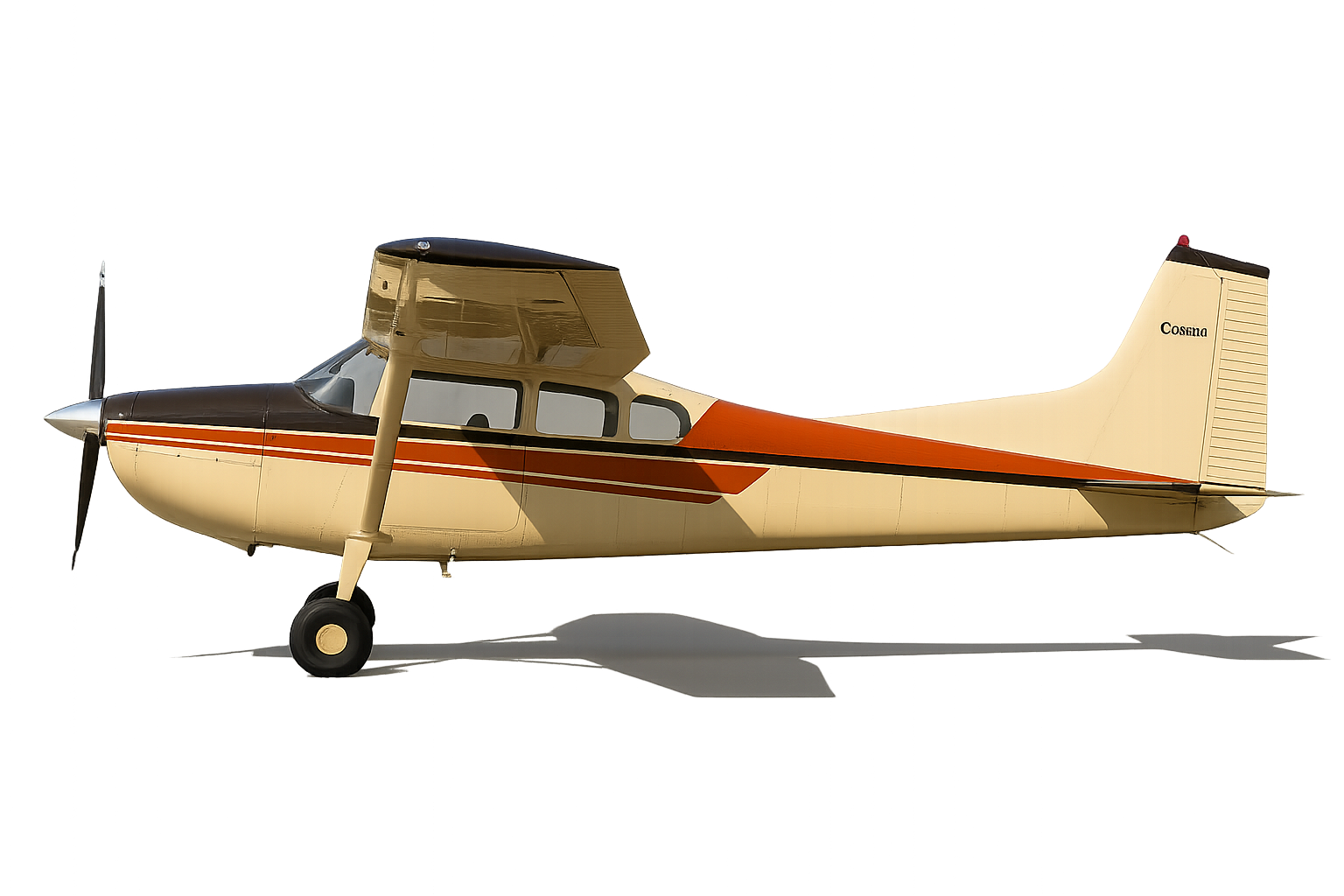
Cessna 182 Skylane in flight
Cessna Aircraft  /  182 Skylane

Certified Autopilot for the Cessna 182

The Trio Pro Pilot gives Cessna 182 owners a practical FAA-approved two-axis autopilot path for serious cross-country travel, IFR training, family transportation, and panel modernization without forcing every owner into the highest-cost avionics path.

2-AxisGPS tracking + altitude hold
STCFAA-approved, SA04230CH
No EFISPanel-mount or portable GPS paths
Any A&PNo factory-authorized shop required
Before You Decide

Is your Cessna 182 becoming the traveling airplane you bought it to be?

The Cessna 182 is not just a larger 172. For many owners, it is the airplane they buy when their mission becomes more serious: longer trips, more useful load, more weather planning, more passengers, and more desire to build an airplane that can serve real transportation needs.

That is why the autopilot decision in a 182 often comes at the same time as a broader panel or ownership transition. A new owner may have recently purchased the airplane, earned a private pilot certificate, and started working toward an instrument rating. Another owner may be replacing aging avionics, adding a GPS navigator, choosing between Garmin and uAvionix equipment, or trying to build a capable IFR platform without spending more than the airplane or mission justifies.

Most Cessna 182 owners do not begin with a product question. They begin with a mission question: "How do I turn this airplane into the aircraft I actually want to use?"

Recently purchased a 182 and building a long-term panel plan
Working toward an instrument rating or improving IFR proficiency
Flying longer trips with family, passengers, business, or utility missions
Comparing Trio, Garmin GFC 500, avionics upgrades, and full panel modernization

Those are not merely avionics questions. They are questions about what the airplane is becoming. A 182 with a modern navigator, electronic flight instruments, and a capable autopilot can become a very useful personal IFR platform. But the sequence matters. So does the budget. So does the panel strategy.

One recent Cessna 182 buyer was doing a complete panel upgrade and had already purchased much of the equipment. He was a new private pilot, owned his own business, had recently purchased the airplane, and was moving directly toward his instrument rating. His decision was not simply "buy an autopilot." His decision was how to build a capable 182 without going full Garmin on every component.

Is your 182 moving from recreational flying into serious cross-country transportation?
Are you working toward an instrument rating and realizing that workload management becomes part of safety and proficiency?
If you are upgrading the panel, have you decided which equipment actually changes the way you use the aircraft?
When flying family, passengers, or business trips, would reducing fatigue and workload change the value of the airplane?
If weather, ATC, airspace, or approach workload increases, would having the aircraft hold course and altitude give you more time to manage the mission?

The value of an autopilot in a 182 is not only that it can hold altitude or follow GPS course guidance. The value appears when those capabilities change the way you manage longer trips, instrument training, weather decisions, passenger comfort, and fatigue.

The Cessna 182 modernization question A Cessna 182 owner may be comparing a Garmin GNX 375, Garmin GPS 175, dual AV-30s, Garmin G5s, Aspen, an engine monitor, or a full panel redesign. The autopilot should not be treated as an isolated purchase. It should fit the aircraft, the mission, the equipment already installed, and the long-term plan.

Sometimes the right answer is a full Garmin ecosystem. Sometimes the better answer is a mixed-panel strategy that uses Garmin navigation, uAvionix flight instruments, Aspen, or other equipment where it makes sense, while using Trio for the certified two-axis autopilot. The right answer depends on what the owner is trying to accomplish.

"The question I usually ask is simple: if this were my airplane and I could only make one major upgrade right now, which upgrade would produce the greatest improvement in capability, workload reduction, safety, and practical utility?" — Jeff Johnson  |  Instrument-rated pilot  |  N1595R, Trio Pro Pilot installed

For many 182 owners, the autopilot becomes the upgrade that makes the airplane feel complete. The GPS navigator provides the route. The EFIS or flight instruments provide the presentation. The autopilot reduces the physical workload of flying so the pilot can manage navigation, weather, communications, passengers, and decisions.

That is especially important for newer owners who are rapidly expanding their capability. A pilot who earned a private certificate recently and is already pursuing an instrument rating may be making several major decisions at once. The goal is not simply to buy avionics. The goal is to build a 182 that supports the pilot and mission the airplane was purchased for.

Why this page has two paths If you already know the Trio Pro Pilot is the right fit for your Cessna 182, the product and ordering information is available below. If you are still deciding between an autopilot, GPS navigator, EFIS upgrade, engine monitor, or full panel plan, call first. A short conversation can usually clarify which upgrade should come first and whether Trio fits your aircraft and mission.

The goal is not to push a product into every 182. The goal is to help you determine whether an autopilot is the upgrade that best solves the problem you are actually trying to solve.

Technical Reference

What the Installation Actually Involves

These are the facts that matter before a conversation with an installer. No invented numbers — just what is documented and verified.

Aircraft Coverage
Cessna 182 series
Many variants covered. Confirm your exact model and serial number against the current AML before ordering.
STC
SA04230CH
Held by The STC Group LLC
System Type
Two-axis (roll + pitch)
GPS track, altitude hold, VS climb/descent
Electrical
14V and 28V variants exist
Confirm your aircraft voltage before ordering
GPS Requirement
Compatible GPS output required
Panel-mount and some portable GPS paths available depending on configuration
EFIS Required?
No
EFIS integration adds capability but is not required for the autopilot
Who Can Install
Any A&P/IA
No factory-authorized installer required
Estimated Labor
~40 hours, plus or minus 5
Trio alone; more with added equipment. Ask your shop for a quote.
Kit Contents
Complete installation kit
Control head, servos, factory-wired harness, model-specific brackets, STC documentation
Lead Time
Ships in 3 to 5 weeks
Direct from manufacturer

Equipment pricing and full ordering information at the product page. Questions about your specific configuration: call Jeff at 540-309-6427.

Common Questions

What Cessna 182 Owners Ask Before Buying

The Trio Pro Pilot is approved for many Cessna 182 models under STC SA04230CH. Because the 182 family covers many years, variants, and serial ranges, the correct answer is to confirm your exact model and serial number before ordering. The AML is available in the documentation center, or call Jeff and he can verify eligibility directly.
That depends on your current panel and long-term plan. Some owners should start with the GPS navigator. Some should plan the EFIS and autopilot together. Others may get the greatest immediate improvement from adding the autopilot first. This is exactly why a short consultation is useful before committing to a sequence of upgrades.
Yes, when used correctly. A Cessna 182 is a capable IFR training and traveling platform. An autopilot does not replace hand-flying skill, but it does help the pilot manage workload during cross-country IFR training, approach setup, navigation changes, communication, and higher workload phases of flight.
The Garmin GFC 500 is available for many Cessna 182 aircraft and is a strong product. It also requires Garmin electronic flight instruments, a Garmin GPS navigator for approach coupling, and a Garmin-authorized installer. Installed cost for the GFC 500 system typically runs $32,000 to $40,000 or more depending on configuration, per current pricing from Lafayette Avionics. The Trio Pro Pilot provides a certified two-axis autopilot path at a fraction of that cost, works with many GPS and panel configurations, and can be installed by any A&P/IA. The right choice depends on your panel strategy, budget, and mission.
Many 182 owners are building mixed panels rather than single-brand ecosystems. The right configuration depends on the installed GPS, EFIS, interface requirements, and approval basis. The Trio is often attractive because it can fit several modernization paths, but the exact interface should be reviewed before ordering. The Why Trio page covers avionics compatibility in detail.
Support comes from three directions: Jeff directly by phone or email, The STC Group LLC as the STC holder and technical support source, and a 700+ member Trio Pro Pilot owner community with accumulated real-world installation and operating experience. Documentation, wiring schematics, and the AML are in the Education & Support Center.
Next Steps

Two ways to move forward

Some Cessna 182 owners are ready to order. Others are still deciding where the autopilot fits in the larger modernization plan. Both paths are straightforward.

Still planning

Talk through your aircraft first

Jeff can review your model, current panel, mission, budget, and future upgrade plans before making a recommendation. The consultation is free and there is no obligation.

Call Jeff — 540-309-6427
Ready to order

View pricing and order the kit

Complete product information, pricing, and ordering for the Cessna 182 installation kit, including everything that ships with the system.

View Product & Pricing →