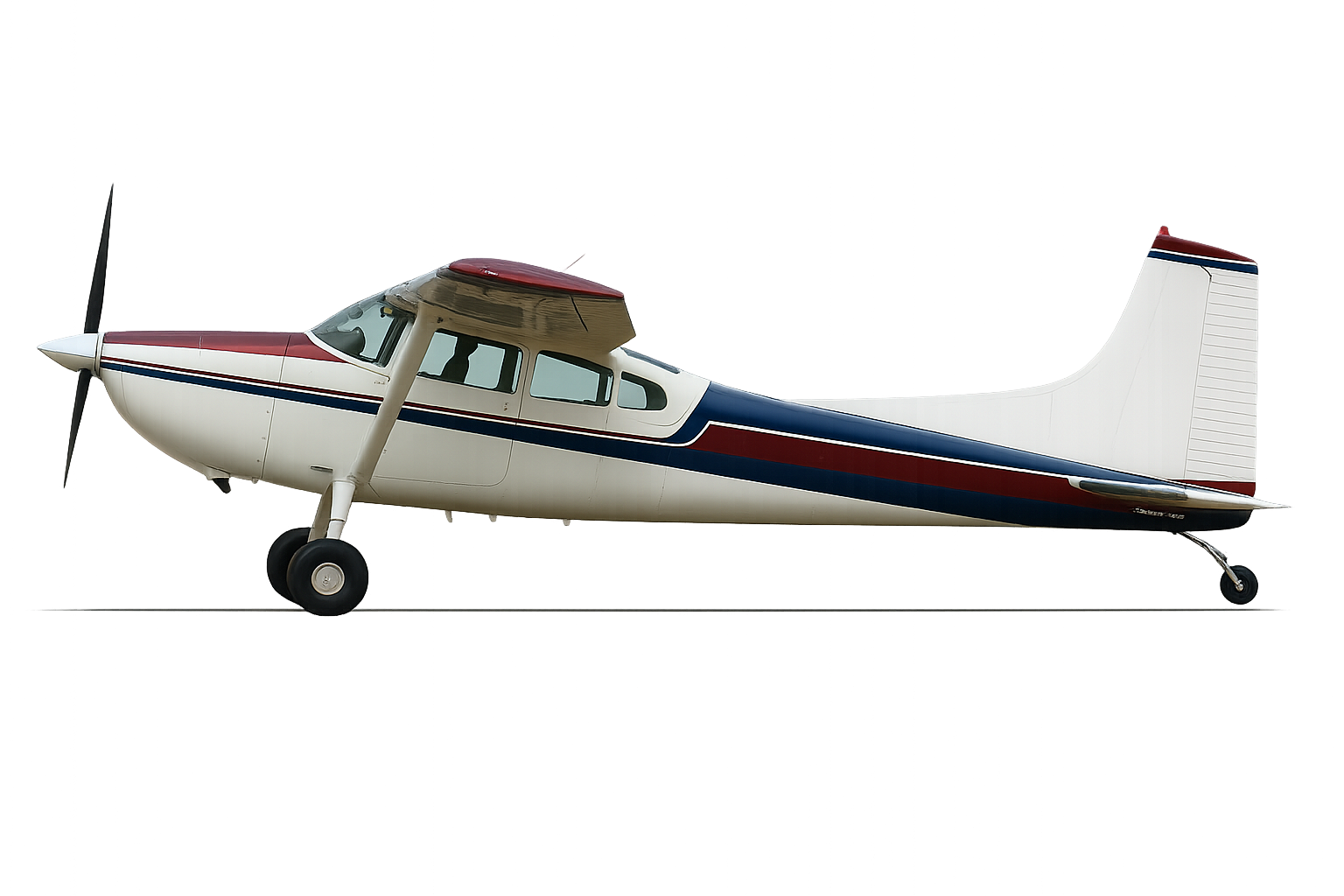
Cessna 185 Skywagon in flight
Cessna Aircraft  /  185 Skywagon

Certified Autopilot for the Cessna 185 Skywagon

The Trio Pro Pilot gives Cessna 185 owners a practical FAA-approved two-axis autopilot path for long repositioning legs, backcountry and utility operations, IFR travel, and panel modernization — without the weight penalty or panel rebuild a full Garmin ecosystem requires.

2-AxisGPS tracking + altitude hold
STCFAA-approved, SA04230CH
14V/28VBoth electrical systems supported
Any A&PNo factory-authorized shop required
Before You Decide

Is your Cessna 185 working harder than its panel is built for?

The Cessna 185 Skywagon was built to haul — people, gear, floats, and long legs into and out of places most airplanes never see. That utility mission is exactly why the autopilot decision on a 185 looks different than it does on a 172 or 182. Useful load matters. Weight and balance matters. And the airplane is often flown by owners who use it for real transportation, not just recreation: business trips, hunting and fishing access, ranch and property work, or float operations during the season.

For a working airplane like the 185, a long straight-and-level repositioning leg at altitude is where fatigue quietly builds. The airplane is capable of far more range and utility than hand-flying every mile allows a pilot to comfortably manage, especially solo, especially loaded near gross weight, especially when the next leg is a backcountry strip that demands full attention on arrival.

Most 185 owners do not start with "which autopilot." They start with "how do I get more out of this airplane without adding weight or complexity I don't need."

Flying long repositioning or cross-country legs to reach backcountry or float destinations
Using the 185 for real business, ranch, or utility transportation, not just recreational flying
Working toward or maintaining an instrument rating for weather flexibility
Weighing a legacy autopilot replacement against useful load and panel space

Those are mission and payload questions as much as avionics questions. An owner replacing a failed legacy autopilot is often surprised to learn how much lighter and more capable a modern retrofit can be. An owner adding an autopilot for the first time is usually trying to reduce fatigue on the legs that matter most — the ones flown solo, at the end of a long day, into terrain that doesn't forgive a tired pilot.

Are your longest legs in the 185 the ones where fatigue becomes a real factor by the time you arrive?
Are you flying this airplane for work, access, or transportation where reliability and workload matter as much as capability?
If you're replacing an aging autopilot, have you weighed how much useful load a modern, lighter system would give back?
When you're solo and loaded near gross weight, would reducing hand-flying workload change how you manage the flight?
If weather closes in on a repositioning leg, would having the airplane hold course and altitude give you more capacity to make the right call?

These questions matter because a 185 is rarely flown for its own sake. It's flown to get somewhere — often somewhere that demands the pilot arrive sharp, not depleted from three hours of hand-flying straight and level.

The Cessna 185 modernization question Skywagon owners are often deciding between a full Garmin retrofit, a mixed panel using uAvionix or Aspen alongside a Garmin navigator, or simply replacing a failed legacy autopilot with something modern. Weight, panel space, and mission come first — the autopilot decision should follow from those, not drive them.

Because many 185s still fly with older Century, S-TEC, or Piper-era autopilots that have become unreliable or unsupportable, a large share of the inquiries Jeff gets on this airframe are replacement decisions, not first-time additions. That changes the conversation: it's less about whether to add automation and more about whether the replacement fits the mission, the panel, and the weight budget better than what's coming out.

"The question I usually ask is simple: if this were my airplane and I could only make one major upgrade right now, which upgrade would produce the greatest improvement in capability, workload reduction, safety, and practical utility?" — Jeff Johnson  |  Instrument-rated pilot  |  N1595R, Trio Pro Pilot installed

For a Skywagon, that answer is often about the legs that carry the most fatigue risk: the long ferry flight to a hunting camp, the repositioning leg back from a float base, the business trip where the pilot needs to land sharp, not worn down. The autopilot doesn't replace the stick-and-rudder skill the 185 demands on departure and arrival — it protects the pilot's margin for the parts of the flight that matter most.

Why this page has two paths If you already know the Trio Pro Pilot is the right fit for your Cessna 185, the product and ordering information is available below. If you're still deciding — especially if you're weighing a legacy autopilot replacement, a full panel upgrade, or the GFC 500 — call first. A short conversation can usually clarify the right sequence for your aircraft and mission.

The goal is not to push a product into every 185. The goal is to help you determine whether an autopilot is the upgrade that best solves the problem you are actually trying to solve.

Technical Reference

What the Installation Actually Involves

These are the facts that matter before a conversation with an installer. No invented numbers — just what is documented and verified.

Aircraft Coverage
185, 185A–E, A185E, A185F
Confirm your exact model and serial number against the current AML before ordering.
STC
SA04230CH
Held by The STC Group LLC
System Type
Two-axis (roll + pitch)
GPS track, altitude hold, VS climb/descent
Electrical
14V and 28V supported
185 production spans both architectures — confirm your voltage before ordering
GPS Requirement
Compatible GPS output required
Panel-mount and some portable GPS paths available depending on configuration
EFIS Required?
No
EFIS integration adds capability but is not required for the autopilot
Who Can Install
Any A&P/IA
No factory-authorized installer required
Estimated Labor
~40 hours, plus or minus 5
Trio alone; more with added equipment or legacy autopilot removal. Ask your shop for a quote.
Kit Contents
Complete installation kit
Control head, heavy-duty servos, factory-wired harness, model-specific brackets, STC documentation
Lead Time
Ships in 3 to 5 weeks
Direct from manufacturer

Equipment pricing and full ordering information at the product page. Questions about your specific configuration: call Jeff at 540-309-6427.

Common Questions

What Cessna 185 Owners Ask Before Buying

The Trio Pro Pilot is approved for the 185, 185A through 185E, and the A185E and A185F under STC SA04230CH. Because the 185 spans both 14V and 28V electrical architectures across its production run, confirm your exact model, serial number, and voltage before ordering. The AML is available in the documentation center, or call Jeff and he can verify eligibility directly.
In many cases, yes, and this is one of the most common calls Jeff gets on the 185. Older Century, S-TEC, and Piper-era autopilots in these airframes are increasingly unreliable and difficult to support. Because the Trio kit is model-specific and factory-wired, replacement is usually more straightforward than owners expect — but the exact interface, mounting, and prior equipment removal should be reviewed with Jeff before committing to a shop date.
The Trio Pro Pilot's control head and servos are considerably lighter than most legacy autopilot installations they replace or compete against. For an airframe where every pound of useful load matters, this is a real factor in the decision, not an afterthought. Exact weight and moment change depends on your current configuration — Jeff can review your weight and balance before you order.
The Garmin GFC 500 is available for the Cessna 185 series and is a strong product. It also requires Garmin electronic flight instruments, a Garmin GPS navigator for approach coupling, and a Garmin-authorized installer. Installed cost for the GFC 500 system typically runs $32,000 to $40,000 or more depending on configuration, per current pricing from Lafayette Avionics. The Trio Pro Pilot provides a certified two-axis autopilot path at a fraction of that cost, adds less weight, works with many GPS and panel configurations, and can be installed by any A&P/IA. The right choice depends on your panel strategy, budget, and mission.
Yes. Many 185 owners run mixed panels built around utility and reliability rather than a single brand ecosystem. The right configuration depends on the installed GPS, EFIS, interface requirements, and approval basis. The Why Trio page covers avionics compatibility in detail, and the exact interface should be reviewed before ordering.
Support comes from three directions: Jeff directly by phone or email, The STC Group LLC as the STC holder and technical support source, and a 700+ member Trio Pro Pilot owner community with accumulated real-world installation and operating experience. Documentation, wiring schematics, and the AML are in the Education & Support Center.
Next Steps

Two ways to move forward

Some Cessna 185 owners are ready to order. Others are still deciding — especially if a legacy autopilot replacement or a full panel plan is part of the picture. Both paths are straightforward.

Still planning

Talk through your aircraft first

Jeff can review your model, voltage, current panel, mission, and any legacy equipment you're replacing before making a recommendation. The consultation is free and there is no obligation.

Call Jeff — 540-309-6427
Ready to order

View pricing and order the kit

Complete product information, pricing, and ordering for the Cessna 185 installation kit, including everything that ships with the system.

View Product & Pricing →